Showing posts with label BMW. Show all posts

Sunday, December 14, 2014

2012 BMW 6 Series Convertible


2012 BMW 6-Series Convertible
Posted Feb 7th 2011 11:57AM
Comments57


To say that the second-generation BMW 6 Series caused a bit of a scene when it hit the world stage in 2003 would be to underplay its shock value. The Dingolfing, Germany-built coupe and convertible's styling seemed to win admirers and ruffle traditionalists' feathers in equal measure, but regardless of how you feel about its aesthetics, the 6's long model run has been a success, resulting in nearly 118,000 units sold.

Despite this victory (and despite what BMW officials tell us), there has been a clear bit of design capitulation in the halls of Bavaria, as Chris Bangle's controversial surfacing treatments and high trunk lines have been smoothed out in newer models in favor of less polarizing designs throughout the BMW empire.

So it is with the 2012 6 Series range, which launches with the 650i convertible model shown here, a model that's due to hit showrooms this April (just in time for top-down season). With North America enduring a hyperborean winter, it was only appropriate that we head to more temperate climates for some quality top-down running. BMW evidently had the same thought, so they sent us to Cape Town, South Africa. Famous for its finned and pointy-teethed population coursing offshore, we couldn't think of a more appropriate spot to sample the 6 Series' reborn shark nose look.

Continue reading...


Related Gallery2012 BMW 6 Series Convertible: First Drive
2012 BMW 6-Series Convertible2012 BMW 6-Series Convertible2012 BMW 6-Series Convertible2012 BMW 6-Series Convertible2012 BMW 6-Series Convertible2012 BMW 6-Series Convertible2012 BMW 6-Series Convertible2012 BMW 6-Series Convertible

Photos copyright ©2011 Chris Paukert / AOL

There's no point on trying to get around it – the first topic of discussion with the new 6 is bound to be its appearance, if for no reason other than how radically (conservatively?) it departs from its forbearer. In the metal, the 6 Series convertible looks much lower, flatter and more angular than the car it replaces. This is particularly true at the rear, an inevitable result of its more conventional trunklid and 5-Series-like taillamps. Up front, the headlamps are more conservative, too, without the droopy lower edge and eyebrow turn signals of the outgoing E63/E64 model. The new light fixtures bookend a nose with a bit more forward thrust to the leading edge of the hood, which leans over a wider twin kidney grille. Contrary to expectation, however, the profile of the new 6 Series actually has more surface character than its predecessor, with an additional crease that plunges dramatically from the leading edge of the side vent. And the lower stance isn't an illusion – at just 53.7 inches tall, overall height has been given a haircut by a fraction of an inch, accentuating the 6's chopped-top look. You can judge the looks for yourself, but an informal poll among the journalists at the launch revealed something of a split between those who came to appreciate the previous model and the more cautious new look, with most favoring the 2012 design.

In a way, the crisper look of the new 6 Series almost feels like it could be an evolution of the 1989-1999 8-Series, had that GT lived long enough to progress to present day. The body panels are of varying construction – steel, aluminum (doors, hood) and plastic composite (roof, trunklid and side panels), so fitment of the pieces with materials of different properties must have been a task for BMW's engineers and paint experts, who have done flawless work.

2012 BMW 6-Series Convertible side view2012 BMW 6-Series Convertible front view2012 BMW 6-Series Convertible rear view

At 192.6 inches long and 4,500 pounds, this big boy shadows competitors like the Mercedes-Benz E Class Cabriolet and Jaguar XK in nearly every dimension – it even outstretches the Bentley Continental GTC. Thanks in part to its new structure derived from the 5/7 Series chassis, it's 2.6 inches longer than before, and at 74.5 inches, it's marginally wider, too. The new model is thus a bit porkier than the outgoing E64, so it's helpful that the 650i Convertible has more brawn: 400 horsepower at 5,500 rpm and 450 pound-feet of torque at 1,750 rpm from its twin-turbocharged 4.4-liter N62 V8. That's 40 hp and a whopping 90 lb-ft more than its predecessor. It also has two more ratios in its automatic gearbox – eight cogs are on offer from the well-liked ZF 8HP70. Interestingly, a six-speed manual is also available (though it was unavailable for testing), and in a reversal of fortunes, the three-pedal setup will be sold Stateside and not in Europe. Apparently, those on The Continent are growing increasingly enamored of high-performance automatics, while there were enough U.S. enthusiasts grumbling for a self-stirrer that BMW has obliged (North America is the 6-Series' biggest market anyhow).

When blurring the coastal mountain road scenery surrounding Cape Town, there are plenty of reasons to slacken one's pace – if only to take in more of the panoramic vistas, vineyards and beautiful people vying for eyeball time. Despite this, we can't quite bring ourselves to back out of the 2012 BMW 6 Series convertible's new V8 engine long enough to stop and smell the king protea flowers (though we do oblige a family of wayward baboons who've decided that the middle of the road is a perfectly acceptable spot to shade one's self from the waxing sun).

2012 BMW 6-Series Convertible engine

In truth, we're not really hammering mercilessly on the topless 650i – it's clear from just a few minutes in that this BMW remains a very much grand tourer and not a sports car. Besides, we're once again getting adjusted to driving on the other side of the road, something that requires a fair bit of thought – particularly given the road network's relatively narrow lanes and the Sixer's wide derrière.

If it weren't for the road signs warning of the possibility of leaping springboks or the fact that more than one out of every ten cars we pass seemed be a derivative of the original Volkswagen Rabbit, visiting motorists could be forgiven for thinking that they are driving in an unfamiliar pocket of Northern California, wine country and all. It just has that sort of feel, with meandering, well-maintained roads, picturesque mountains, cascading rock fields and coastal views.

2012 BMW 6-Series Convertible headlight2012 BMW 6-Series Convertible side vent2012 BMW 6-Series Convertible wheel2012 BMW 6-Series Convertible taillight

Aside from its wide carriage, the 650i couldn't be much better suited to this sort of driving, as its ample power, big brakes and posh ride suit the roads well. Just as importantly, our test car's optional Integral Active Steering proves predictable and accurate – a welcome departure from earlier BMW forays into the variable-rack realm that resulted in disconcerting turn-in speed and erratic feel. We're still not sure we'd pony up for the technology (there's not a ton of feedback), but now that it incorporates rear steering, there's a clear dynamic benefit – BMW engineers tell Autoblog that models so-equipped can change lanes much faster – by six or seven mph – and there's a significantly tighter turning circle, too. All test cars were equipped with grippy 19-inch 245/40 Dunlop SP Sport Maxx GT run-flat summer tires, but we'll get all-season rubber as standard fit, so we'll have to wait until we get one back on U.S. soil to see how the ride and handling balance shakes out.

As with other BMWs, the 650i has a center console rocker switch that allows the driver to set the Driving Dynamics Control system to Comfort, Normal, Sport or Sport + settings to better suit the motoring mood. Toggling between the settings alters the throttle map, suspension firmness, steering effort, transmission shift schedule, as well as active steering rate and active roll control if the car is so-optioned.

2012 BMW 6-Series Convertible suspension settings

Regardless of the mode we have the DDC rocker set to, the rear-drive 650i is well-behaved, cornering flatly on South Africa's lilting roads at anything short of stupid velocities, the ZF's paddle-shifters respond smartly when it comes time to pass one of the region's ubiquitous soot-spewing diesel trucks. To be fair, South Africa's motoring populace reveals itself to be the very model of courtesy, with most drivers pulling onto the shoulder and indicating when it is safe to pass so that we're never trapped behind slower traffic on single-lane roads for long. (Just be sure to double-flash your hazards in appreciation upon completing the maneuver). Even though the transmission works seamlessly in full automatic mode, using the paddles is a treat, if only because the V8 issues an unexpected yet welcome burble at shift points – even at modest speeds. Plant the skinny pedal in the carpet and you'll find that 60 mph arrives in 4.9 seconds, and it won't be terribly long before you're bouncing against the modest 130 mph limiter (if you spec out the optional Sport package, the governor is relaxed to 150 mph).

While the official EPA fuel economy figures haven't been released yet, BMW promises the new powertrain will be more efficient, but that's not saying a great deal, as the outgoing car was practically an OPEC Club Gold member, ringing up 15 miles per gallon in the city and 23 mpg on the highway.

2012 BMW 6-Series Convertible interior2012 BMW 6-Series Convertible interior2012 BMW 6-Series Convertible gauges2012 BMW 6-Series Convertible navigation system

With such indulgent exterior proportions, it's no surprise that the 6 Series' interior is a suitably grand place to be. BMW notes that despite its lower overall height, there's still more headroom front and rear than before. That said, the rear seat is still firmly in the "occasional use only" category thanks to limited legroom.

Dominated by a massive freestanding 10.2-inch transflective display, the dashboard mixes high-quality leathers and plastics with matte chrome accents for a mature, driver-centric environment. Everything is within easy reach and is self-explanatory – at least for those with previous iDrive experience.

Our tester was outfitted with the latest generation of BMW's optional head-up display, and it's a peach, combining crisp 3D graphics, a wider array of vibrant colors and more driver-selectable information, from engine and vehicle speed to navigation directions and ancillary system telltales like the lane departure warning and night vision (when equipped). It works fantastically well, even with the top down in direct sunlight, and we found it preferable to taking our eyes off the road to look at the center stack display.

2012 BMW 6-Series Convertible rear 3/4 view

Speaking of direct sunlight, despite pleasant ambient temperatures, there was no denying the intensity of the rays this far south of the equator – even with the BMW's reflective leather seats. We love driving top-down no matter the season, but in the name of science – and in a vain attempt to keep our pale, wintered skin from peeling – we whirred the soft top into place (24 seconds to close, 19 seconds to open) for our final leg of the drive. Once again, we're glad that BMW has chosen to forego the added cost, weight and complexity of a folding hardtop, as the multi-layer canvas lid is a very refined piece, with excellent sound insulation and a unique top-up look with its vertical power rear window and flying buttress construction. What's more, the top can be operated at speeds of up to 25 mph, a trick we have yet to see with a folding tin top.

With all of the improvements, it's no surprise that the sticker price on the 650i Convertible has swelled to $91,375 (the outgoing model commanded $87,725 including destination and gas guzzler tax). That's a lot of scratch, but we don't see the typical 6 Series buyer balking at the increase – especially now that the car continues to deliver the big GT experience in a more refined package with broader aesthetic appeal.

Sunday, March 18, 2012

Beş Nesildir Yollarda. BMW 5 Serisi’nin tarihi

BMW 5 Serisi nin beş nesil modelinin satışları daha şimdiden 5,5 milyon adede ulaştı ve şimdi BMW 5 Serisi Sedan’ın başarılı hikayesinde yeni bir bölüm başlıyor.
Altıncı nesil BMW 5 Serisi, doğal olarak kendisinden önce gelenlerin bıraktığı büyük mirası takip ederken aslında kökleri çok daha eskilere dayanır. Henüz 1960′lı yıllarda BMW spor, şık, güçlü ve yenilikçi teknolojiye sahip, orta sınıf, dört kapılı sedan üreticisi olarak güçlü ve onu diğerlerinden ayıran bir profil geliştirdi. Dört kapılı notchback gövde, önde bulunan uzunlamasına yerleştirilmiş motor, arkadan itişli sürüş ve karmaşık yapıya sahip bir süspansiyon sunan BMW, bugün hala cazip kalabilen ve günümüze tamamen aktarılan klasik bir ilke edindi.
Bu, BMW’nin o güne kadar gördüğü en başarılı model serisini oluşturarak, BMW 1500, BMW 1800 ve BMW 2000′i “Yeni Sınıf” olarak lanse ettiği zamandaydı. Sedanların geliştirme ve üretim aşamalarında BMW tarafından bu modellerle ortaya konan ustalık, her birinin ayrı karakteri olan, modern ve çok tutulan otomobillerin üreticisi olarak şirketin dünya çapında bir atılım yapmasını sağladı.
1972 yılında Yeni Sınıf’tan BMW 5 Serisi’ne geçen BMW, yalnızca yeni isimler tanıtmadı, aynı zamanda tasarımda yeni bir çağ başlattı. Gerçekten de “5″ sayısı bu sınıftaki açık sürüş keyfi anlamını aldı. O zamandan beri BMW 5 Serisi, tasarımları sayesinde, üstün yürüyen aksam ve süspansiyon teknolojisiyle sağlanan sürüş dinamikleri ve konforunun benzersiz bir şekilde bir arada kullanımını özgün bir şekilde yansıtan, mükemmel uyum içinde dengelenen sportifliğin ve zarafetin simgesi haline geldi. Bu nedenle BMW 5 Serisi, Münih’li bu premium otomobil üreticisinin geliştirme konusundaki üstün yeteneklerini ortaya koyuyor.
1972: Yeni BMW 5 Serisi sahneye çıkıyor.
Sırasıyla 115 ve 130 bg üreten, dört silindirli sürüş motorlarına sahip BMW 520 ve BMW 520i, 1972 Frankfurt Otomobil Fuarı’nda Yeni Sınıf’ın yerini alacak model olarak sunuldu. Modelin ismi, BMW marka otomobillerin bugüne kadar aldıklar isimleri belirleyen yeni bir konsept yarattı. Başta bulunan “5″ sayısı seriyi belirtirken; onu takip eden diğer iki rakam ilgili modelin motor hacmini belirtir. Aynı zamanda bu model adları BMW 501 “Baroque Angel” ve ikon haline gelmiş bir spor otomobil olan BMW 507 gibi 1950′li yılların hatıralarını canlandırıyordu.
Tasarımındaki uzun ve düz hatlar, büyük pencereler ve alçak bel çizgisiyle ilk BMW 5 Serisi kendini gösterdi. Markaya özgü tasarım elemanları olan çift far ve C sütunundaki Hofmeister kıvrımı yeni tarz ve teknoloji ile yeniden yorumlayarak, Fransız tasarımcı Paul Bracq 1970′lerde çok özgün olan BMW tasarım dilinin temelini attı. Yolcuların güvenliğini sağlamak ve otomobilin deformasyon bölgelerini doğru şekilde hesaplayabilmek için BMW mühendisleri ilk defa çok geniş kapsamlı üstün bir bilgisayar teknolojisi kullandı.
Üretimin ikinci yılında BMW 525′in tanıtılmasıyla ilk altı silindirli otomobil de pazara giriş yapmış oldu. Bu son model otomobilin güçlü ve aynı zamanda iyileştirilen motoru, 145 bg’lik etkileyici bir güç sağlıyordu. Daha fazla güce duyulan bu istek, daha sonraki yıllarda model yelpazesini genişletmek için en önemli nedenlerden biri haline geldi: 1972 yılında kurulan BMW Motorsport GmbH, 1980 yılında 218 bg (160 kW) gücündeki altı silindirli motora sahip BMW M 535i’yi tanıtarak olağanüstü bir girdi sağladı.
1981: İkinci nesil, ilk dizel.
Neredeyse 700.000 adet satış sağlayan ilk nesil BMW 5 Serisi, Yeni Sınıf’ın pazardaki başarısının iki katından fazlasını elde etti. 1982 yılında çıkarılan bir sonraki model de net hatlar ve büyük pencereleriyle tasarıma sadık kalarak başarı öyküsünü devam ettirdi.
Daha da çarpıcı ön ve arka tasarımıyla yeni BMW 5 Serisi, dış boyutlarının neredeyse aynı kalmasına rağmen yollarda çok daha fazla dikkat çekti ve yeteneklerini gösterdi. Mühendislerin iyileştirme çalışmaları ve akıllı hafif malzeme teknolojisi iç mekanda daha fazla alan, mükemmel ağırlık dağılımı ve geliştirilmiş yolcu güvenliği sağladı. Çift mafsallı ön aks ve yarım arka aks taşıyıcıya sahip yeni geliştirilen süspansiyon, özellikle de bu yeni modelin sunduğu sürüş konforunu artırmada işe yaradı. Bu noktada BMW 5 Serisi’nde, yol bilgisayarı yardımıyla kilitlenmeyi önleyici fren sistemlerinden elektronik yakıt enjeksiyonuna kadar değişen modern elektronik sistemler kullanılmaya başlandı.
Pazara girmesinin hemen ardından bu yeni sedan, geniş bir model yelpazesi ve gücü 90 ile 184 bg arasında değişen motorlarla sunuldu. 1984 yılında oldukça spor bir versiyonu tanıtılmış olmasına rağmen 218 bg’lik güce sahip BMW M 535i bu sefer Motorsport GmbH’nin son sözü değildi. Onun yerine Motorsport GmbH, 1985 Frankfurt Otomobil Fuarı’nda gururla Spor Sedan’ın simgesi olan BMW M5′i sundu. Dışarıdan değerlendirildiğinde diğer modellerden güçlükle ayırt edilebilen BMW M5’te, tavizsiz sürüş dinamikleri sağlamak için metal levhanın altı baştan sona optimize edildi. Güç, dört valf teknolojisi ve en az altı kelebek valfi bulunan sıralı altı silindirli motordan geliyordu. Efsanevi BMW M1′den türetilen, önceden yalnızca en iyi spor otomobiller tarafından sunulan, üstün itiş gücü üreten bu motorun gücü 286 bg’di.
BMW’nin 1983 yılında BMW 524td ile büyük çekişmelerin yaşandığı dizel pazarına girmeye karar vermesi devrim niteliğindeydi. Markanın kendine özgü karakterini bir dizelle sunmak için tek seçenek otomobile güçlü ve iyileştirilmiş turbo dizel bir motor koymaktı.
115 bg maksimum motor gücüne sahip, 2,4 litre, sıralı altı silindirli motor bu gereklilikleri sağladı ve BMW 524td kendi sınıfındaki tüm dizel otomobiller arasında en iyi performansı gösterirken aynı zamanda en yüksek yakıt tasarruf standardını sağladı. Dizel otomobillere kuşkuyla yaklaşanlar bile üstün güç ve olağanüstü tasarrufun yenilikçi birleşiminden etkilenmişlerdi.
Spor performans ve üstün tasarrufu bir araya getirmek için dizel pazarına girmek BMW’nin tek seçeneği değildi. Aksine, tam da o zamanlarda BMW, özellikle yakıt tasarrufu sağlayan teknolojiler geliştirmek üzerine çok sayıda çalışmayı ve yeniliği tamamlamış ve alternatif enerji kaynakları aramaya başlamıştı. Bu yeniliklerin çoğu, zaman içerisinde seri üretime alındı, diğerleri ise uzun dönem araştırma projelerinin temellerini attı. Bunun bir örneği daha 1976 yılında tanıtılan ve birinci nesil BMW 5 Serisi’ni temel alan hidrojen yakıtlı test otomobiliydi.
Turbo dizelin yanında, BMW 5 Serisi’nin oldukça verimli bir benzinli modeli de en başından beri seri üretim için uygun olduğunu gösterdi: BMW 525e altı silindirli bir motora sahipti ve tutarlı bir şekilde üstün çekiş gücü ve tasarrufu bir araya getirmek için yapıldı. 2,7 litre hacme sahip ve adını Yunan harfi “eta”dan alan sürüş motoru, etkin bir şekilde 4.250 dd seviyesinde 125 bg’lik maksimum motor gücü ve yalnızca 3.250 dd’deki 240 Nm’lik maksimum tork üretebiliyordu. Yeni motor elektronikleri, optimize edilmiş ağırlık ve yüksek hızlarda tasarruf fonksiyonu bulunan beş ileri şanzıman, bu modelin üstün verim sağlamasına yardımcı olan diğer özelliklerdir.
İkinci nesil BMW 5 Serisi yedi yıl üretildikten sonra yerine yeni bir seri getirildi. Bu süre boyunca satışları yeni bir rekor kırarak 722.000 adede ulaştı.
1988: Üçüncü nesil BMW 5 Serisi. İlk kez touring olarak BMW 5 Serisi.
BMW 1984 yılında katalizör teknolojisini tanıtmaya başlarken, BMW 5 Serisi en başından beri sadece bu yüksek emisyon yönetimi standardıyla donatılmıştı. 1988 yılındaki başlangıçtan beri ortaya çıkan ilk modellerin (BMW 520i, BMW 525i, BMW 530i, BMW 535i ve BMW 524td) hepsi altı silindire ve elektronik yakıt enjeksiyonuna sahipti. Güç aralığı 115′ten 211 bg’ye yükselmişti.
315 bg olarak üretilen ve daha sonra 1992 yılında 340 bg’ye yükseltilen motor gücüne sahip yeni BMW M5 de kısa süre sonra tanıtıldı.
Bunu 1992 yılında sekiz silindirli iki modeli, BMW 530i ve BMW 540i, 1993 yılında dört silindirli motorla temel model olarak tanıtılan BMW 518i takip etti. Bu arada, dört valf teknolojisinden ve değişken Vanos egzantirik mili yönetiminden faydalanan altı silindirli motorlar daha fazla güç, tork ve verimlilik kazandılar.
Tam olarak belirlenen deformasyon alanları ve çok daha sağlam yolcu bölmesiyle BMW 5 Serisi’nin üçüncü nesli, yolcu güvenliği alanına yeni standartlar getirdi. Titizlikle inceltilen süspansiyon bir seçenek olarak elektronik kontrollü amortisörlerle birlikte kullanılabiliyorken bir diğer seçenek de hıza duyarlı Servotronic direksiyon asistanıydı. ASC Otomatik Denge Kontrolü de, kilitlenmeyi önleyici fren sisteminin yanında ilk kez kullanılıyordu.
1991 yılında piyasaya sürülen elektronik dört tekerlekten çekişli BMW 5 Serisi’nin önden arkaya tam değişken güç dağılımı konsepti ile arka aks diferansiyel kilidi, karşılaştırmalı testlerde o güne kadarki tüm dört tekerlekten çekiş sistemlerinden daha üstün olduğunu kanıtladı.
Bir önceki kuşağı ile karşılaştırıldığında, üçüncü nesil BMW 5 Serisi yine yeni tasarımı sayesinde daha uzundu ve çok daha geniş iç hacme sahipti. Gerçekten de Baş Tasarımcı Claus Luthe kılavuzluğunda yaratılan yeni sedan, sportif zarafet ve akıcı çizgileri özgün bir kama şekliyle birleştirdi. Tarz sahibi bu karakter, daha sonra tasarımcılar tarafından BMW 5 Serisi Touring’e aktarıldı; 1992 Frankfurt Otomobil Fuarında ortaya çıkarılan bu eşsiz beş kapılı otomobil yeni bir görünüm ve B sütunu arkasında yepyeni özellikler sunuyordu.
Ses yalıtımına çok önem verilmişti, gövde içerisindeki ses neredeyse bir sedandakiyle aynıydı. Çok geniş iç alan, açık bir şekilde akustik etki ve gürültüler için ideal bir rezonans gövdesi oluşturuyordu. BMW 5 Serisi Touring, başından itibaren arka aks üzerinde otomatik yükseklik ayarı ile donatılmıştı.
Touring modelinde, sedanda kullanılan neredeyse tüm motorlar kullanılabiliyordu ve bir diğer seçenek olarak da dört tekerlekten çekişle de gelebiliyordu. 1992 yılında BMW M5 Touring seriye katıldı. Bu beş kapılı otomobilin başarılı satışları açık bir şekilde BMW’nin daha çok pratik değeri çekici tasarımla birleştirme konseptini onayladı:
BMW 5 Serisi Touring’in 1996 yılına kadar olan toplam satışı yaklaşık 125.000 adede ulaştı ve üçüncü nesil BMW 5 Serisi’nin dünya çapındaki toplam satışları 1,3 milyon adedi aştı.
1995: Dördüncü nesil ilk kez hafif metal ala şı ml ı süspansiyonla.
BMW 5 Serisi’nin dördüncü nesli 1995 Frankfurt Otomobil Fuarı’nda sahneye çıkarken önceki modelin evrimsel bir şekilde geliştirilmesiyle sportif ve zarif tarza sahip bir tasarım sundu. Ön taraftaki göze çarpan bir özellik cam bir kapağın arkasındaki çift yuvarlak farlardı. 2000 yılında buna konumlandırma ve gündüz sürüşünde kullanılan BMW’ye özgü ışık halkaları eklendi.
1997 yılında tanıtılan hem sedan hem de touring, bir kez daha yolcu bölümünde daha fazla alan sundu. Çok fonksiyonlu direksiyon, navigasyon sistemi, aktif koltuklar ve Dinamik Denge Kontrolü özelliklerine sahip BMW 5 Serisi kendi sınıfının fazlasıyla yüksek teknolojiye sahip bir üyesi olarak bilindi.
Daha fazla sürüş dinamikleri ve güvenlik sağlamak adına gövde, çok daha yüksek bir dayanıklılığa sahipti ve dördüncü nesil BMW 5 Serisi, neredeyse tamamı hafif metal alaşımından yapılan ve geniş ölçekli üretilen ilk otomobildi. Yeni geliştirilen ve tamamı alüminyumdan oluşan güç üniteleri de otomobilin ağırlığının düşmesine yardımcı oldu.
Yeni model, 150 ile 193 bg maksimum motor gücü üreten, sıralı altı silindirli motorlarla pazara sunuldu. Teknik yenilikler hem benzinli hem de dizel motorlara daha fazla güç sağladı ve yakıt tüketimini daha da düşürdü. 1996 yılında bir kez daha iki V8 motor tanıtıldı ve 1998 yılında BMW tarafından o tarihe kadar üretilen en güçlü motora sahip olan yeni BMW M5 pazara girdi: Bu 400 bg (294 kW)’lik motor göze çarpan diğer özelliklerinin yanında merkezkaç kuvvetleri için kumanda edilen yağ temini ve elektronik olarak kontrol edilen bağımsız kelebek valfleri gibi özelliklere sahipti.
BMW 5 Serisi’nin dördüncü nesli bir kez daha satış rekorları kırdı ve 2004 yılının başlarında üretimi sona ererken 1,47 milyon adede ulaştı.
2003: Be ş inci nesil BMW 5 Serisi – ilerici ve verimli.
2003 yılında tanıtılan beşinci nesil BMW 5 Serisi etkileyici tasarımı ve yenilikçi teknolojisiyle en başından beri kendini gösterdi. Bir kez daha 2004 yılında çıkarılan sedan ve touring etkin güvenlik, sürücü yardım sistemleri ve verimlilik konularına yeni standartlar getirdi. BMW’nin iç bükey ve dış bükey yüzeyleri, ön ve yanlardan arkaya akıcı geçişlere sahip kendine özgü tasarım dili, BMW 5 Serisi’nin beşinci versiyonuna oldukça karakteristik bir hava kattı. Net fonksiyonlara sahip iç mekan, en başta standart olarak gelen iDrive kontrol sistemini vurgular.
Alüminyum veya sırasıyla kompozit alüminyum/magnezyum krank kutusu ile motorlar ve otomobilin hafif alaşımlı ön kısmı ön-arka ağırlığın çok iyi bir şekilde dengelenmesine imkan sağladı. O zaman geliştirilen bir diğer parça da aynı şekilde alüminyumdan üretilen, tek parça arka akstır.
Bir diğer önemli yenilik de, özellikle geniş fonksiyon yelpazesiyle otomobilin mükemmel süspansiyon teknolojisine destek veren DSC Dinamik Denge Kontrolüdür. Aynı üstünlük ilk defa Aktif Direksiyon ile elektronik süspansiyon ayarlı ve kaymayı engelleyen denge yönetimine sahip Adaptive Drive teknolojileri ile sağlandı. Sürücü yardım sistemleri alanında göze çarpan unsurlar olarak BMW 5 Serisi, Head-Up Display, BMW Gece Görüşü, Dur & Kalk ve Şeritten Terk Uyarı Sistemi’ne sahip Aktif Cruise Control gibi üstün teknolojilere sahipti.
BMW 5 Serisinde kullanılan motor yelpazesi, BMW 520i’de 170 bg (125 kW)’lik ve BMW 550i’de 367 bg (270 kW) arasında değişen altı benzinli ve dört dizel motorla genişletilmişti. BMW M5 ve BMW M5 Touring’de ise bağımsız kelebek valfler ve dinamik yağ temini özellikleriyle 507 bg (373 kW) maksimum çıkış gücüne sahip 5,0 litrelik V10 yüksek hız motorları kullanılıyordu.
2007 yılından itibaren beşinci nesil BMW 5 Serisi’nin tüm sürümleri, standart olarak modelden modele uygun şekilde değişiklik gösteren çok sayıda BMW EfficientDynamics teknolojileriyle geliştirildi. Fren Enerjisi Geri Kazanımı, vites değişim göstergesi, aktif hava kapağı kontrolü ve talep üzerine sunulan yan donanımlar, tüm modellere kendi sınıflarında eşi benzeri bulunmayan bir performans ve yakıt tasarrufu dengesi sağladı. Üst orta sınıftaki en yüksek verimlilik ölçütünü, 177 bg (130 kW)’lik motor gücünün yanında AB test sürüşlerinde 100 km’de 5,1 litre ortalama yakıt tüketimi ve 136 g/km CO2 emisyon değerlerine sahip BMW 520d ortaya koydu.
BMW 5 Serisi‘nin çarpıcı tasarım, yenilikçi teknolojiler ve üstün verimlilik sunan beşinci nesli, bu model ailesinin başarılarla dolu tarihini kesintisiz devam ettirdi. 2007′nin sonlarına doğru bu model neslinin dünya çapındaki satışları bir milyon adedi geçerken 2005′ten 2008 yılına kadar BMW 5 Serisi kendi sınıfında dört yıl arka arkaya en çok satan otomobil oldu. Kısa süre sonra, Ocak 2008′de, BMW’nin Dingolfing Fabrikası, 1973 yılından beri üretim hattından çıkan beş milyon BMW 5 Serisi otomobil ile çok etkileyici bir yıldönümü kutlaması yaptı.

Saturday, February 4, 2012

2012 BMW HP2 Sport

2012 BMW HP2 Sport
2012 BMW HP2 Sport


2012 BMW HP2 Sport Review

2012 BMW HP2 Sport
The BMW HP2 Sport caused quite a stir with its race track appea­rances - rarely has a 2-cylinder flat twin bike caused the competition so much trouble, it even outdistanced many a 4-cylinder bike. In the last 24-hour race at the Oschersleben Speedweek, both machines entered in the race finished in the overall top 10. One reason for this perfor­mance is the DOHC cylinder head*, which is being used for the first time in this fascinatingly engineered enthusiast’s motorcycle.

For all ambitious sports riders and keen flat twin fans a unique limited edition of 400 is now to be produced: derived from the paint finish of the Endurance machine, it is finished in the colours Alpine White /Indigo Blue / HP Red. As in the racing machine, the rims are finished in Indigo Blue at the front and Alpine White at the rear. Otherwise all the familiar specifications apply, including the material - leading to a sensational dry weight of 178 kg - and the impressive performance figures. In short: take the opportunity to put it away right now - or else use it for what it was built for and order a second set of rims for the rain tyres along with it! ­

* DOHC = Double OverHead Camshaft, double overhead camshaft for each cylinder.


2012 BMW HP2 Sport Model Highlights
Standard Factory Equipment:
Special Features
Front and rear made of carbon fibre, self supporting body work
Engine spoiler made of carbon fibre
Radial Brake calliper
Gear Shift Assist
Engine/Driveline
Shaft drive
Air/oil cooled flat twin four stroke DOHC (with radial valves) engine
Cylinder head cover made of carbon fibre, with replaceable valve cover guards
Complete stainless steel exhaust system
6 Speed gearbox
Digital engine management with twin-spark ignition system
Double oil cooler
Closed loop 3 way catalytic converter with oxygen sensor
Running Gear
BMW Motorrad paralever and telelever (EVO)
6.0 x 17 inch rear wheel with 190/55 ZR 17 Tyre
Twin disk front brake (Evo,320mm dial)
Single disk rear brake
Prop stand with starter inhibit
Armoured steel brake hoses
Armoured steel clutch hoses
Forged and milled wheels, 5 double spokes
Rear and front suspension strut Ohlins, fully adjustable, additional length adjustment
Electronics
Low beam headlamp height adjustment
LED rear indicator
Hazard warning flasher
Permanent headlamp beam
Digital race instruments with 2D cluster
Electronic immobiliser
Equipment
Integral ignition switch and steering lock
Single seat
Toolkit
One key system for ignition, steering and fuel filler cap
Milled foot rests adjustable
Milled triple clamp
Milled stub handlebars, adjustable


2012 BMW HP2 Sport - American Specifications/Technical Details
US MSRP Price: $NA USD
Model may not be available in the USA


2012 BMW HP2 Sport - Canadian Specifications/Technical Details
Canada MSRP Price: $NA CDN
Model may not be available in Canada

 
2012 BMW HP2 Sport - UK Specifications/Technical Details
Europe MSRP Price: £15,295 GBP
Engine
Type Air/oil-cooled 2-cylinder 4-stroke flat twin ('Boxer'), two camshafts, four valves per cylinder in radial arrangement, central balancer shaft
Bore x stroke 101 mm x 73 mm
Capacity 1,170 cc
Rated output over 98 kW (133 bhp) at 8,750 rpm
Max. torque 115 Nm at 6,000 rpm
Compression ratio 12.5 : 1
Mixture control / engine management Electronic intake pipe injection / BMS-K digital engine management with overrun fuel cut-off, single-spark ignition
Emission control Closed-loop 3-way catalytic converter, emission standard EU-3
Performance / fuel consumption
Maximum speed over 200 km/h
Fuel consumption per 100 km at constant 90 km/h tbd
Fuel consumption per 100 km at constant 120 km/h dbd
Fuel type Unleaded premium, octane number 98 (RON); automatic knock control permits operation with minimum octane number 95 (RON)
Electrical System
Alternator Three-phase alternator 480 W
Battery 12 V / 12 Ah, maintenance-free
Power transmission
Clutch Single dry plate clutch, hydraulically operated
Gearbox Constant mesh 6-speed gearbox
Drive Shaft drive
Chassis / brakes
Frame Tubular steel space frame, front and rear made of self-supporting carbon
Front wheel location / suspension Telelever, spring pre-load continuously variable, compression damping, rebound damping and vehicle height adjustable
Rear wheel location / suspension EVO Paralever, Öhlins central spring strut, spring pre-load continuously adjustable, rebound and compression damping adjustable, vehicle height adjustable
Suspension travel front / rear 105 mm / 120 mm
Wheelbase 1,485 mm
Castor 86 mm
Steering head angle 66 °
Wheels Milled cast aluminium wheels
Rim, Front 3.50 x 17"
Rim, rear 6 x 17"
Tyre, front 120/70 ZR 17
Tyre, rear 190/55 ZR 17
Brake, front Dual disc brake, floating brake discs, 320 mm diameter, Brembo monobloc 4-piston caliper
Brake, rear Single disc brake, diameter 265 mm, double-piston floating caliper
ABS BMW Motorrad ABS as optional extra, deactivation function, with brake pressure detection
Dimensions / weights
Length 2,135 mm
Width (incl. mirrors) 750 mm
Height (excl. mirrors) 1,163 mm
Seat height, unladen weight 830 mm
Inner leg curve, unladen weight 1810 mm
Unladen weight, road ready, fully fueled 199 kg
Dry weight 178 kg
Permitted total weight 330 kg
Payload (with standard equipment) 131 kg
Usable tank volume 16 litres
Reserve approx. 3 litres

 
2012 BMW HP2 Sport - Australian Specifications/Technical Details
AUS MSRP Price: See dealer for pricing.
Model may not be available in Australia

Saturday, October 15, 2011

Bmw m5 2012

                                                    Bmw m5 2012
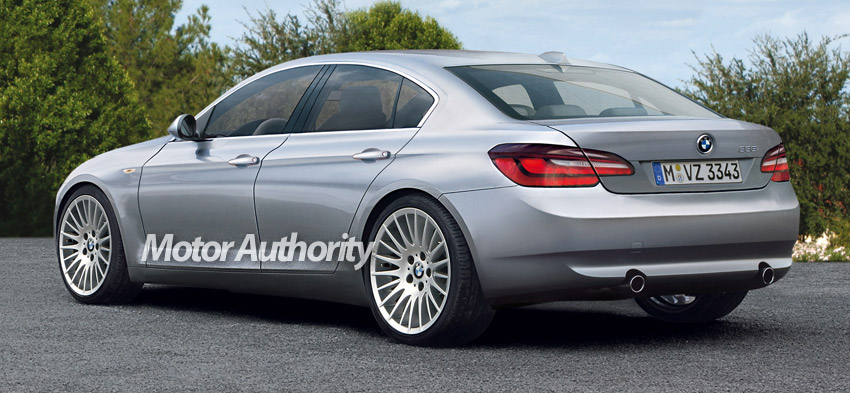
 It has been nearly nine months since we last caught up with BMW’s 2012 3-Series in the wild, and six months since we shared our illustrations of what we think BMW’s next bread and butter sedan will resemble. Today, we can gladly report a fresh set of spy shots of the 3-Series sedan as it completed winter testing in northern Sweden.In many ways the flagship of BMW’s lineup, the 3-Series sedan has never been a blank canvas for BMW design. Instead, it pursues a trickle-down approach that defines “evolutionary, not revolutionary.” Despite its conservative style, the 2012 3-Series is set to be the sportiest looking and driving 3-Series yet as BMW continues to hone its performance credentials as the competition draws ever nearer.
 Bmw 2012
 Codenamed F30, the car has been in development since the E90-coded (BMW is out of EXX project codes) 3-Series debuted as a 2006 model. We expect the F30 to formally debut at the 2011 Geneva Motor Show. Convertibles, coupes, M3s, a traditional wagon and a 3-Series Gran Turismo will follow as BMW expands the 3-Series model lineup.
                                Bmw 2012
Our illustrator consulted with inside sources who revealed that the new car will ride on a slightly longer wheelbase – up around an inch and a half – but will have considerably shorter overhangs. In addition to giving the car a sportier look, the longer wheelbase and shorter overhangs preserve its small exterior dimensions that help give it its legendary handling.
  Bmw 2012
Look for some of the upcoming X3′s design language to carry over into the 3; Chris Bangle’s flame surfacing is long gone and the X3 is expected to introduce a series of design cues. Yet don’t count out the current 5-Series, which has returned to its crisply tailored look for the 2011 model year. The 5-Series and the Z4 lend their forward-pushing snouts and increasingly sharp angles.


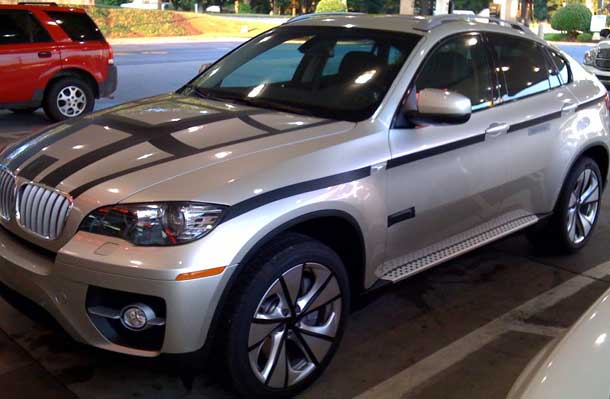
BMW X6

BMW X6 2011

Bmw 2012

Bmw 2012
Bmw 2012

Thursday, December 9, 2010

Paris 2010 : BMW X3 is new yet familiar

BMW has whisked the sheets off its 2011 X3, and the second-generation crossover looks suspiciously like its predecessor. Beyond a seemingly endless parade of spy shots over the last couple of years, that’s predictable, as the Spartanburg-built X3 has been a considerable sales success for the German automaker.
While the sheetmetal stays largely the same, the lineup receives new engines and an eight-speed automatic gearbox that’s set to spread like kudzu throughout the automaker’s offerings. The X3 also becomes the first model in BMW’s growing X franchise to adopt electric power steering (the automaker’s controversial variable sports steering rack is optional), as well as optional Damper Control and Dynamic Drive Control (as seen on its range of sedans and sports cars).
In addition to the new sheetmetal, BMW promises added rear seat room, addressing one of the vehicle’s key shortcomings for the North American market.

Power will come from BMW’s Twinpower Turbo (Bimmerese for twin-scroll turbo) inline six-cylinder engine that gives the XDrive35i model 306 brake horsepower at 5,800 rpm with max torque of 295 pound-feet of torque at just 1,300 rpm. That’s good enough for a 0-62 mph time of just 5.7 seconds and a top speed of 152 mph, though it’s not clear if that figure will be governed when it reaches us Yanks. An entry-level xDrive28i model will also receive I-6 power, with 240 hp and 230 pound-feet of torque. Naturally, diesel mills will also be available in other areas of the globe, but as of yet, BMW officials haven’t committed to bringing an oil burner to the States. The gas model, however, should be in showrooms before year’s end.
Check out our gallery of live shots below, and hop the jump for the official press release.


Related Posts Plugin for WordPress, Blogger...